How Atorus Embeds Its Values in the Work, Not the Deck
All companies have values. Usually, five of them. They tend to include some version of integrity, innovation, and customer focus, and they live on the About page and onboarding slide but rarely anywhere else. The ones that matter are the ones that change decisions — what you build, what you say when something goes wrong, when you push back on a scope that would earn more but deliver less value. That’s the test.
After one of our town halls, where Mark Penniston, Atorus CEO, walked through what our five values mean as operating principles rather than aspirational language, I found myself thinking about that test. I wanted to connect each value, concretely, to the work we do and what our partners experience on the other side of it. What follows traces each value to the actual work — and to the honest answer, even when it’s more expensive than the comfortable one.
Customer Experience
The first thing customer experience requires is a willingness to ask questions. The questions most engagements start with are: What does success look like for the organization as a whole? What would make this a waste of time?
There’s a gap in most consulting work between the sponsor who commissions it and the end user who lives with it. Requirements get gathered from the top. Delivery gets assessed from the top. And somewhere in the middle, the end users are working around a design that was never built for how they work. At Atorus, we try to close that gap before the scope is written — in Clinical Data Management, in Biometrics, in Training & Education — by treating the end user’s reality as a requirement, not a constraint.
“This is the first time an external team understands how we work and what our goals are.” – VP, Head of Biometrics, mid-size pharma
When customers say that, we take it seriously — not as a differentiator to advertise, but as evidence that the question we started with was the right one. It means something changed, and they felt it.
Innovation and Automation
Automation is easy to get wrong. You can automate the visible, the technically interesting, the thing that makes a good demo, and miss entirely the part of the workflow that was quietly costing someone three days a month. We’ve seen it happen in this industry repeatedly: sophisticated tooling layered on top of broken process, with the broken process still underneath.
The discipline behind our approach to innovation and automation is starting from friction, not from technology. Where is this person losing time, they shouldn’t be losing? Where does the same error get made twice because the system allows it? Those are the questions that lead to something worth building, and they’re behind everything in our Custom Development and Systems & Architecture work. It’s also why we build on open-source foundations rather than proprietary ones. The tools we leave behind are ones that teams can use, extend, and own. Not black boxes that create dependency.
Reducing a process from three days to three hours changes what a team can attempt — what they can run in parallel, what mistakes they catch before they compound. That’s capacity.
The difference matters. Efficiency is doing the same thing faster. Capacity is being able to do things you couldn’t attempt before. That’s the standard we hold the work to.
Employee Opportunity by Curiosity
Some of the useful things we’ve brought to customers were never requested. They came from someone on our team who was curious about a problem, explored it, and built something — often months before a client described the same problem.
At Atorus, we call this “employee opportunity by curiosity.” It’s something we design for rather than hope for. We hire people who ask questions that aren’t on the agenda and give them room to follow those questions, because the alternative is a team that executes briefs well and doesn’t see what’s coming next. In Strategy & Change Management, it shows up as practitioners who A) have already mapped the terrain clients are entering and B) are ready to join them in uncertainty. In Products & Innovation, it shows up as tools shaped by lived experience in the same regulated environments our customers operate in.
Customers who work with us often say they left with a clearer picture of a problem they hadn’t fully named when they arrived. That’s what happens when the people doing the work have been thinking about your domain longer than the project existed.
Openness
Openness shapes what we build and how we build it. Our contributions to the open-source ecosystem aren’t a marketing position; they’re a conviction that better tools, shared widely, raise the floor for the whole industry.
The work we do in clinical data, in validation, in regulatory submission pipelines benefits from a community improving the same foundations. Giving back is what believing in it looks like.
Transparency is a word that gets used so often in professional services that it’s nearly stopped meaning anything. What we mean by it is specific: We say things before you ask. We share risks before they become problems. We say “we don’t know yet” when we don’t, and we treat that as a starting point rather than a weakness. That consistency comes from saying hard things regardless of the timing.
Customers who work with us tend to say the same thing: They were never caught off guard. Solid foundations are the difference between a short-term fix and a long-term win.
Value
Value is not the same as price. Price is what something costs. Value is what changes because of it, and the ratio between the two is what determines whether a relationship continues. We think about that ratio at the level of decisions: We’ll tell a customer when a simpler approach is the right one, even when the more complex one would earn more. We scope engagements from the customer’s actual constraint, not from a service catalogue built to maximize billing.
The customers who keep working with us don’t stay because we’re the cheapest option. They stay because what we said would happen, happened. The work is about outcomes, not outputs. That’s a distinction that sounds obvious but is actually very hard to maintain at the level of individual decisions, projects, and conversations. What I’ve come to think is that they’re all downstream of the same thing.
The Connecting Thread
None of it operates independently. Openness is what makes customer experience possible — you cannot design for outcomes you haven’t assessed honestly. Curiosity is what drives innovation, not the other way around. And value only means something if the discipline to deliver on it is present in every engagement, not just the ones where it’s easy.
What Mark described was how decisions get made — what we say yes to, what we push back on, what we build when no one has asked for it yet. Values are the set of choices an organization makes repeatedly.
At Atorus, we’re still building that. The value shows in the work, not the deck.
About the Author
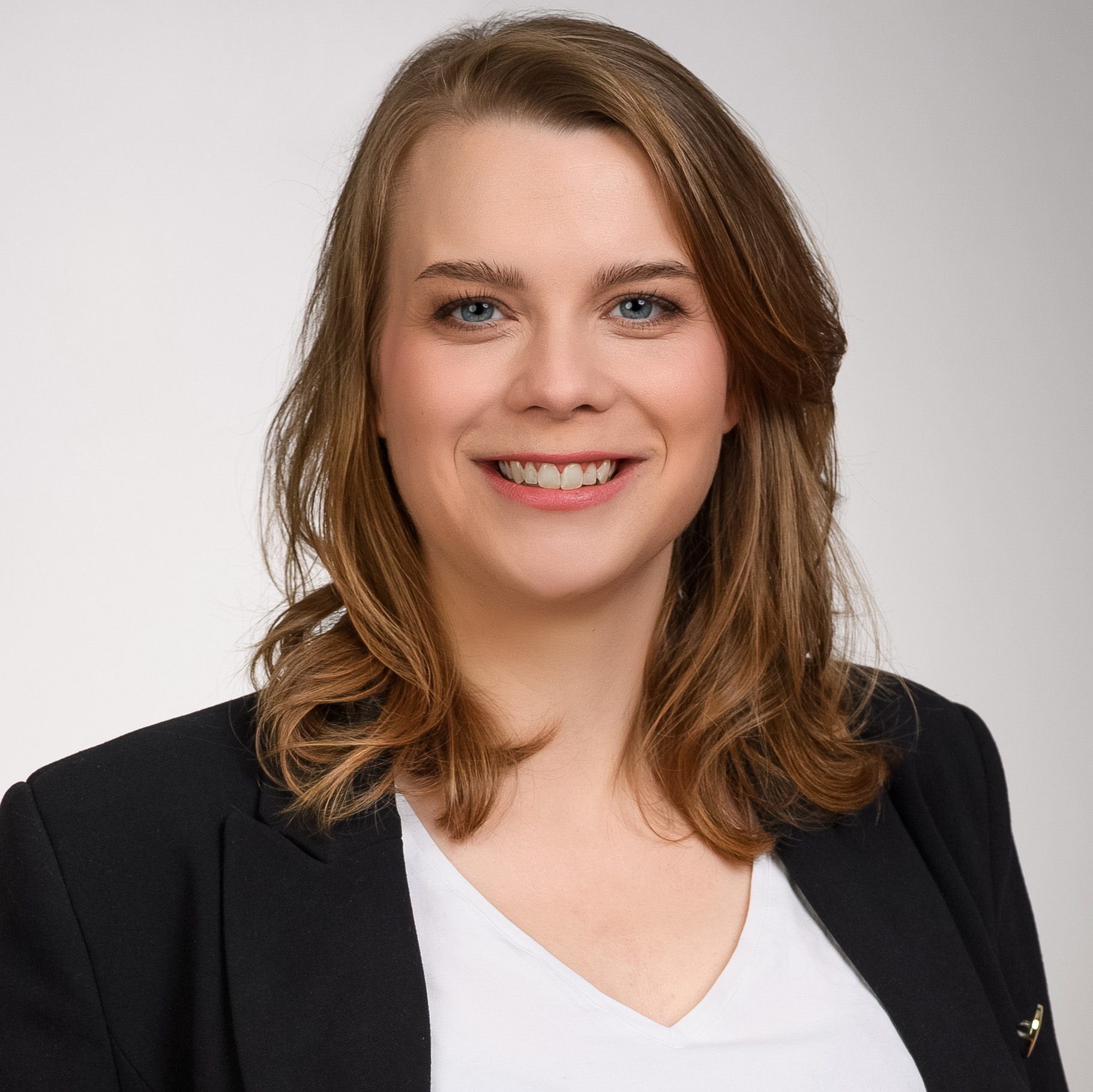
Aga Rasinska
Associate Director of Strategy, Atorus
With more than a decade of hands-on experience in bioinformatics, data science, and program leadership, Aga Rasinska brings a dual perspective that bridges business strategy and technical innovation, transforming complex clinical and omics data challenges into scalable, results-driven solutions. Her expertise spans project and product management, change leadership, and data-driven decision-making within regulated life sciences environments. She is also a frequent industry speaker, panelist, and contributor focused on the intersection of science, data, and business strategy.