Artificial intelligence has entered the life sciences and CRO world with remarkable speed. Tools that once felt experimental have become a part of daily project life. Project managers now sit at the center of an ecosystem where timelines shrink, data expands, and expectations climb. Because project management is built on pattern recognition, structure, and coordination, it’s naturally positioned to benefit from AI.
Atorus has taken a deliberate, forward-leaning approach to responsible AI adoption. We treat AI like any new technology: evaluate, validate, ensure compliance, and implement it in ways that make our work stronger, faster, and higher quality.
The Expanding AI Toolkit for Project Managers (PMs)
Today’s PM has access to a diverse set of AI tools, each reducing a different kind of project friction.
Large language model (LLM) chat assistants have become digital brainstorming partners. Need to reframe a technical update for a client or draft the outline of a new training? AI accelerates the starting point, while PMs retain authority over accuracy, nuance, and alignment with client expectations.
It’s not magic: It’s time recovered and cognitive relief. Energy shifts from generating the first outline to refining the message.

AI-powered document and presentation generators support visual storytelling. They can turn rough notes into polished, branded slides and save hours of rearranging layouts. PMs can focus on the story the data tells instead of formatting.

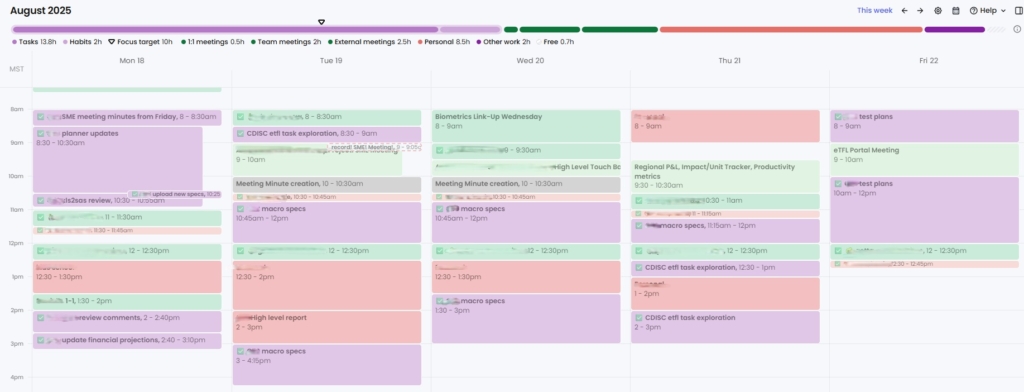
AI calendar assistants contribute sanity to a place where chaos often reigns. Anyone who’s managed a study knows the calendar can resemble a haunted mansion: shifting meetings, moving deadlines, ghosts of past objectives occasionally drifting through the week. Calendar tools bring order by protecting focus time, reshuffling tasks, and keeping deliverables aligned with actual work hours.
It’s like having a tiny, polite assistant who says, “I moved your paperwork block because the biostats sync appeared at noon.” And occasionally, “You cannot accept another ten-hour task due Friday unless you’ve recently invented a time machine.”
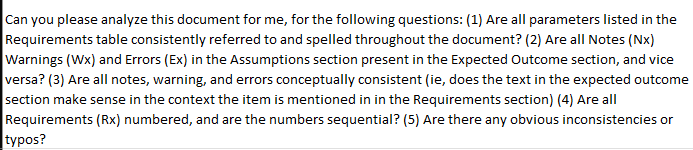
AI-enhanced features in spreadsheets and word processors have become quiet powerhouses. They speed early data exploration and draft structured project documents in minutes. For PMs who are creating trackers, tables, meeting minutes, or operational plans, these tools are superb first-pass generators.
Need a weekly tracker for the next six months? They can auto-populate dates and generate rows for every team member. In documentation-heavy workflows, they accelerate cross-checking by flagging inconsistencies.
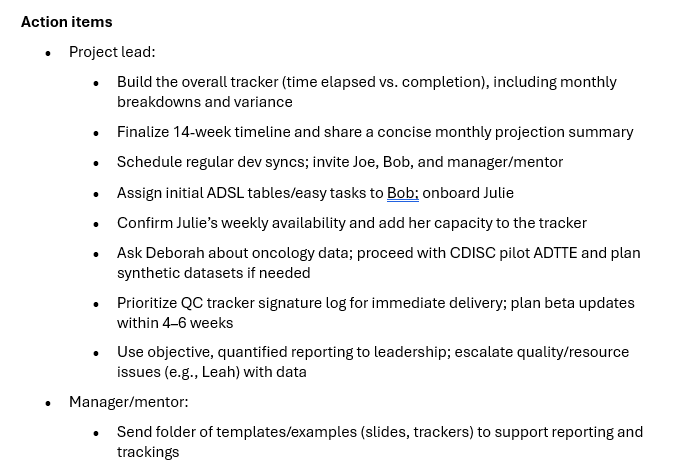
Finally, AI meeting notetakers are transforming follow-up. They eliminate the scramble of deciphering half-typed notes and create a searchable record of action items and decisions. This means fewer “Wait, who said they were doing that?” moments.
Practical Benefits Observed in Real Project Environments
The benefits of AI-supported PM work are tangible. Documentation is meaningfully faster: Drafts that once took two hours now take twenty minutes. PMs spend more time refining and less time creating from scratch.
Communication becomes clearer and more consistent. AI helps structure ideas and make technical updates digestible for stakeholders at every level.
Administrative noise diminishes. The cognitive drain of juggling scheduling, summarizing, formatting, and reorganizing softens.
Risk detection gets sharper, and quality improves. Whether it’s a creeping timeline issue, inconsistent documentation, or an operational bottleneck, AI-supported PMs often spot problems earlier because the information surfaces more easily.
The result is a calmer, more focused project environment. PMs can devote more time to leadership and strategy, and less to the digital equivalent of untangling Christmas lights.
Responsible Use Matters
AI is powerful, and like any tool, it requires guardrails. Especially in regulated, data-sensitive environments. The safest mental model is to treat AI as an eager administrative intern. It works fast, produces early drafts, and occasionally it makes things up with total confidence. It needs supervision because it lacks context, training, and lived experience.
Confidentiality and data protection come first. PMs must avoid inputting confidential sponsor data into unapproved or unsecured tools.
Accuracy and hallucination risk require vigilance. AI can be insightful and occasionally hilariously wrong. Human oversight turns a risky draft into a reliable deliverable.
AI is a co-pilot, not an autopilot. It can analyze quickly, but it cannot understand context, personality, client expectations, or team dynamics. Stakeholder relationships and strategic nuance still sit squarely in the domain of human judgment.
Documentation and auditability matter. AI can help generate compliant documents, but it cannot be responsible for compliance. Clear records of human review remain fundamental in regulated environments.
The Future: AI as a Competitive Advantage in CRO Project Management
The next generation of AI won’t simply make tasks faster — it will strengthen foresight. Imagine dashboards predicting timeline risks months earlier: automated scenario planning that models “what if” resource shifts; intelligent project health monitors spotting patterns long before they become problems.
This future is already emerging. Teams that invest in responsible, thoughtful AI integration today define tomorrow’s operational standards. Clients increasingly expect this level of innovation. They want partners who are adaptable, modern, and using every available tool to ensure success.
Conclusion
AI isn’t replacing project managers. It’s making them stronger, sharper, and more capable.
Used responsibly, AI reduces busy work, improves communication, enhances predictability, and keeps teams aligned in fast-moving environments. It’s an amplifier, not a shortcut.
Atorus is proud to build a culture where AI is used with care, clarity, and creativity. The heart of project management remains human: leadership, collaboration, judgment, and trust.
AI gives us more room to excel.
By leaning into AI responsibly, we can continue to lead with innovation, integrity, and a human-centered approach. The future of project management is not AI-driven. It is AI-empowered, shaped by people who understand how to use technology wisely.

Danielle Stephenson
Manager, Statistical Programming
Danielle Stephenson has extensive programming expertise transforming complex clinical data into compliant, submission-ready outputs for all phases of clinical studies, developing SDTM and ADaM datasets, define.xml files, reviewer’s guides, and TFLs for FDA and PMDA submissions. An expert in both SAS® and R, she is passionate about advancing multilingual, collaborative teams in the life sciences.